KISS celebrates the living heritage of its students from 64 tribes
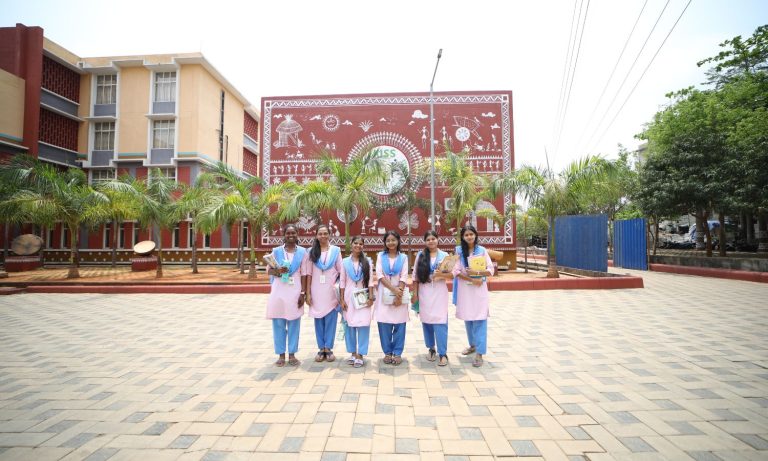
KISS is a campus where culture is lived every day. Festivals, mural art, ritual practice and community life shape learning, identity and opportunity; not preserved behind glass, but practiced, shared and carried forward by students themselves
Living Heritage in Motion
Culture at KISS is not confined to special occasions; it is part of everyday life on campus. This film captures how Indigenous traditions are lived, shared and reimagined by students across learning, celebration and community life.
Why This Matters
Living traditions carry ecological knowledge, social values and life skills. At KISS, these traditions are embedded into education, so learning a dance builds teamwork, a craft teaches entrepreneurship and rituals become pathways to understanding community and identity.
Here, culture is not separate from education; it is central to it.
What you’ll see on campus
Festivals as Classroom
Indigenous festivals organised and celebrated by students, turning celebration into learning.
Visual Culture Everywhere
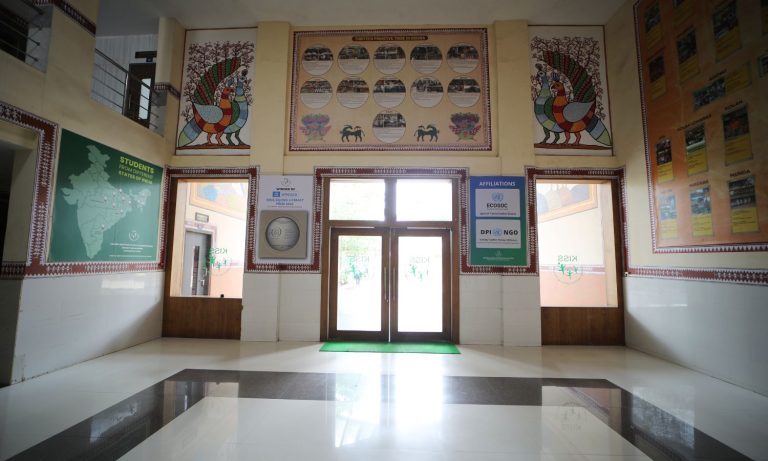
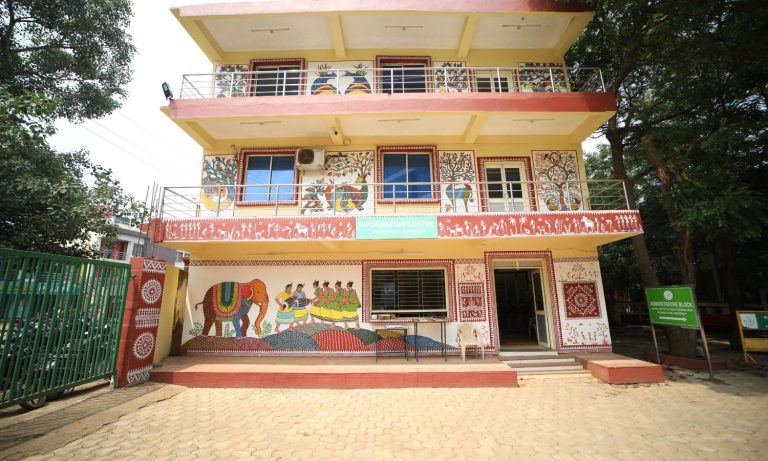
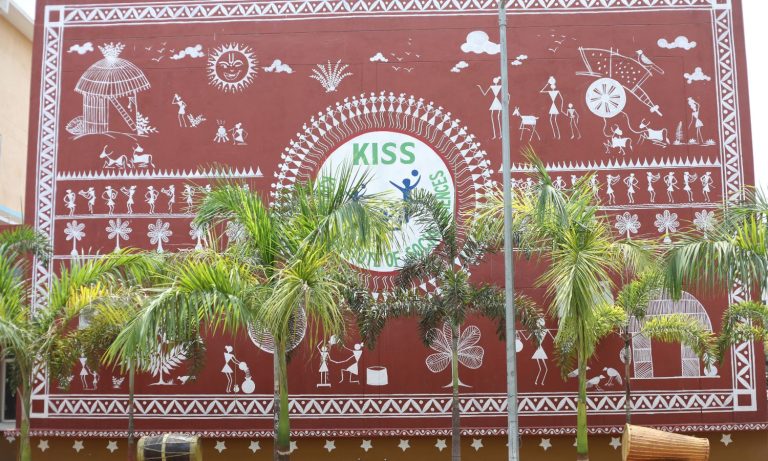
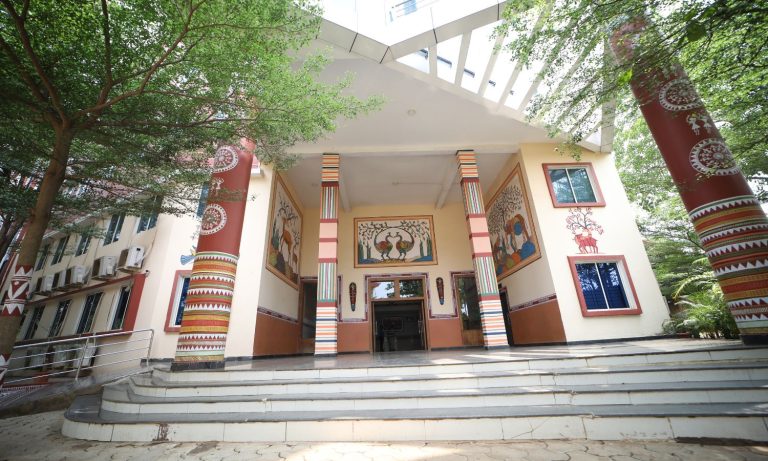
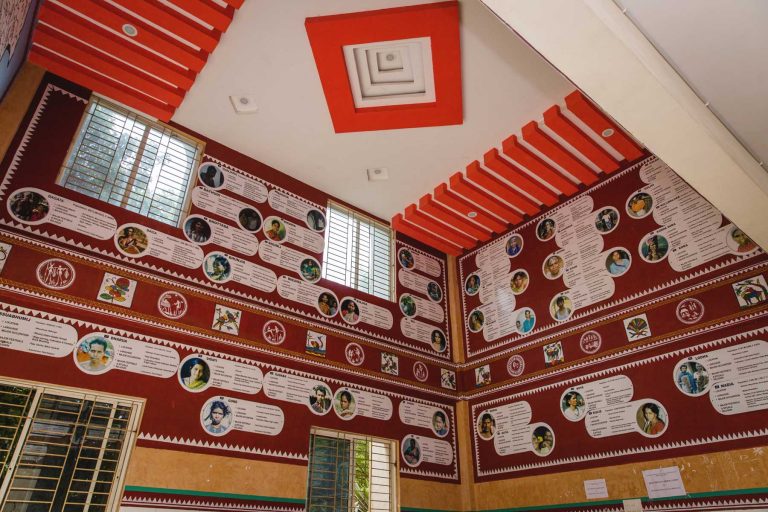
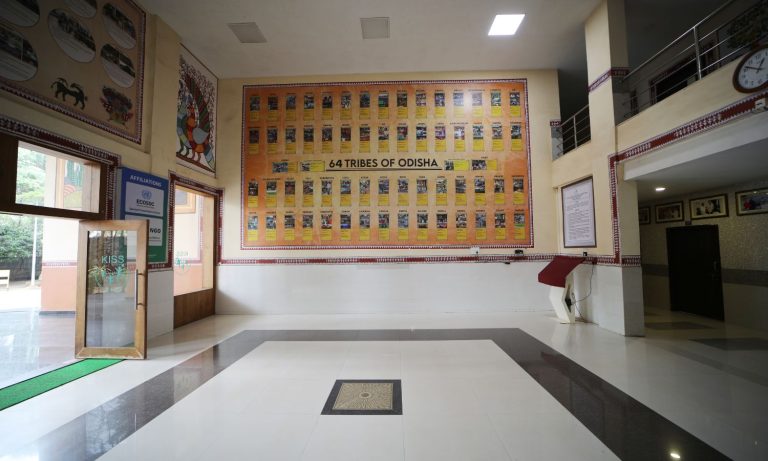
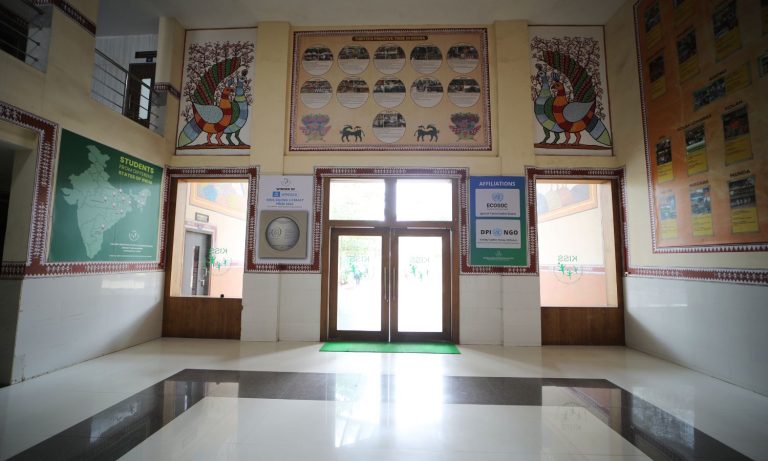
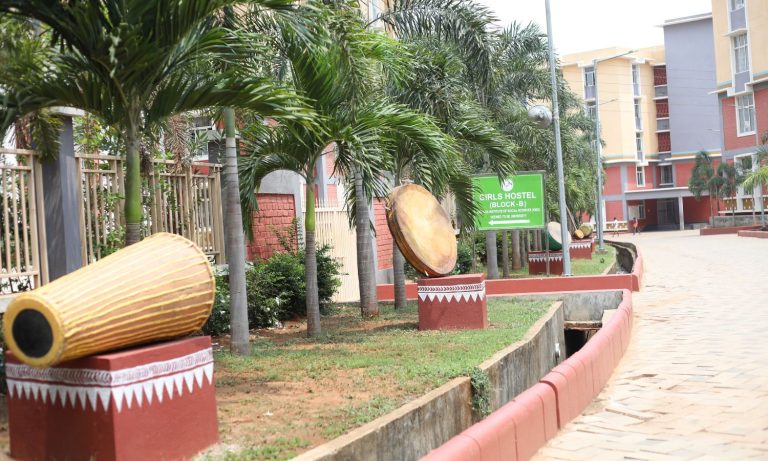
Murals, symbols, and indigenous motifs across campus ensure students are surrounded by their cultural identity
Traditional Sports & Craft
From indigenous games to craft traditions, students actively practice and carry forward cultural skills.
Festivals, Rituals & Seasonal Life
The rhythm of life at KISS follows the rhythm of nature. Festivals are not one-time events; they are living systems through which knowledge of land, food, seasons and community is passed on
Nuakhai
New harvest celebration with song, food and gratitude
Western Odisha
Mega Porob
Celebration of creation and community
Seasonal
Sarhul
Honouring the forest and the Sal tree
Spring
Chait Parab
Forest worship and tribal unity
Spring
Baha Bonga
Festival of flowers and renewal
Spring
Baa Porob
Renewal and community bonding
Seasonal
Festival preparation is student-led: choreographing dance troupes, composing songs in mother tongues, curating ritual spaces and coordinating ceremonial foods. That practice builds organisational skills, intergenerational knowledge transfer and public-facing confidence.
🏆 Flagship Moment In June 2023, KIIT & KISS hosted the first national Janjatiya Khel Mahotsav (Indigenous Sports Festival, June 9–12, 2023) — ~5,000 tribal athletes and ~1,000 officials from 26 states — demonstrating how traditional sports can be scaled to national pride, talent scouting and cultural diplomacy.
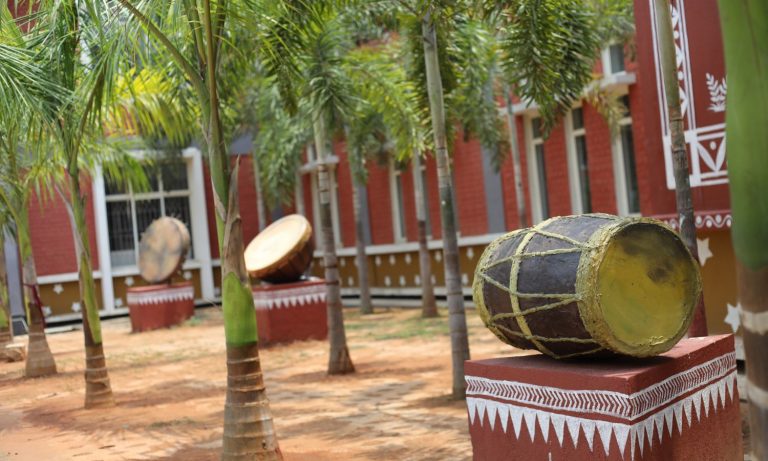
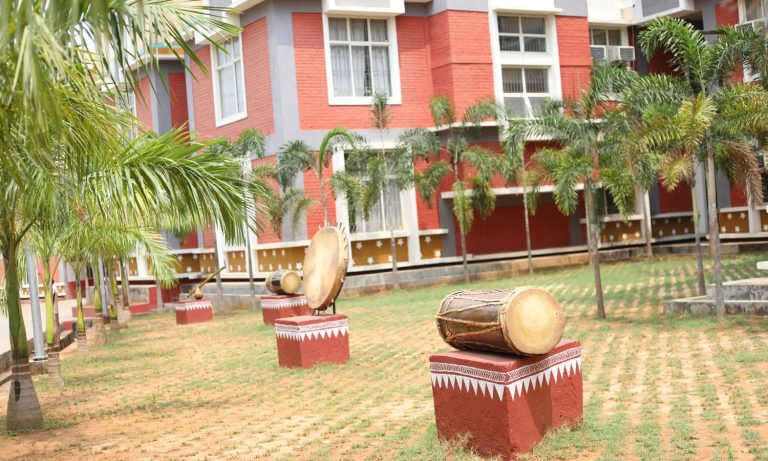
The campus itself is a canvas of identity. Murals, painted motifs and indigenous symbols reflect tribal cosmologies and everyday life.
With hand-painted and hand-crafted displays across campus, this visual environment becomes a constant, living curriculum, affirming identity and belonging.
Intangible Heritage
Knowledge That Lives Through People
At KISS, living heritage is not just seen; it is practiced, shared and carried forward every day.
Much of this knowledge exists not in books, but in memory, movement and community life. It is passed from one generation to the next through stories, rituals, art and everyday practices.
As part of our ongoing work, we are building a living knowledge repository that documents and celebrates these forms of Indigenous knowledge across the 64 tribal communities represented on our campus.
Oral Traditions
Stories, songs and spoken histories that carry memory, identity and wisdom across generations
Social Practices
Everyday rituals and community traditions, from festivals to life ceremonies, that shape how people live and belong.
Performing Arts
Dance, music and performance as expressions of culture, storytelling and collective identity.
Traditional Knowledge of Nature
Deep, lived understanding of land, forests, food and healing, built through generations of interaction with the environment.
Crafting Skills
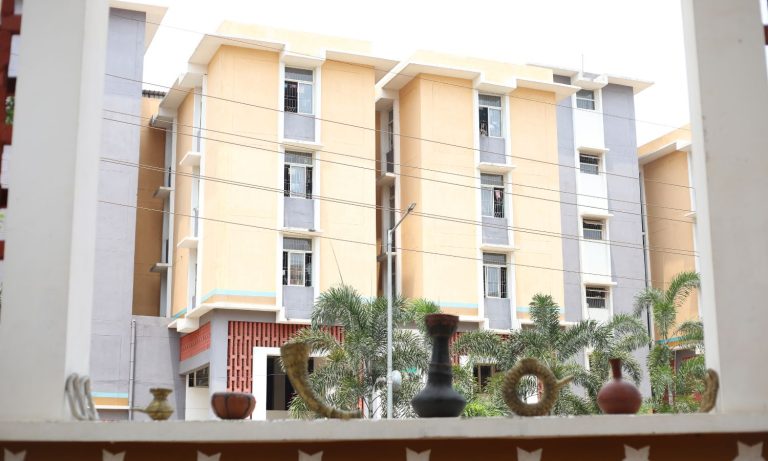
Handmade traditions weaving, carving, pottery and more, where creativity meets cultural knowledge.
Traditional Games
Indigenous games that build strength, cooperation and life skills, rooted in community values and ways of learning.
Living Heritage in Practice
Student-led Committees
Festival committees teach project management, performance and cultural scholarship
Experiential Pedagogy
Language & ritual practice tied to learning — festival prep becomes curriculum
Community Reach
Festival broadcasts, Santali Khabar and showcases extend campus rituals to regional media
Talent & Opportunity
Athletes and performers feed into competitions and cultural careers
Local Roots. Global Relevance.
What begins as tradition on campus grows into knowledge, innovation and global dialogue, rooted in identity and shaped by the future.