At the Kalinga Institute of Social Sciences (KISS), research begins not in isolation, but in dialogue — between students and their communities, between traditional wisdom and modern inquiry, between Odisha’s tribal heartlands and the world.
For far too long, Indigenous knowledge has been studied but not authored. KISS changes that. Here, research is participatory, ethical, and rooted in lived realities — led by those who know their land, languages, and heritage from within.
Our scholars, many of them first-generation learners from 64 tribal communities, are redefining what academic research can be: not extractive, but empowering; not theoretical, but transformative.
KISS Deemed to be University has established itself as a national hub for Indigenous and interdisciplinary research. Through structured mentorship, community linkages, and a curriculum informed by the Sustainable Development Goals (SDGs), KISS enables research that uplifts both the mind and the community.
Each year, hundreds of KISS research scholars pursue studies that bridge Indigenous knowledge and global science across these broad research clusters.
Traditional governance, agricultural practices and ecological wisdom that sustain livelihoods while protecting biodiversity.
Integrating Indigenous environmental ethics into climate and sustainability frameworks.
Women’s enterprises, self-help groups and digital markets linking traditional crafts to new economies.
Turning grassroots creativity into self-reliance and community wealth creation.
Inclusive education models, reforms for tribal youth and alignment of Indigenous pedagogy with NEP 2020.
Creating policy insights that inform equitable education nationwide.
Research on Santali, Ho, Kui, Kuvi, and other tribal languages, oral histories, theatre and folklore.
Reviving and digitising oral archives, ensuring linguistic diversity in modern scholarship.
Biotechnology, nanoscience, AI, renewable energy and digital financial systems contextualised for rural India.
Demonstrating that Indigenous curiosity and scientific rigor are natural partners.
Women’s empowerment, menstrual hygiene, microfinance, and representation research.
Generating gender-responsive policies linking social justice to development outcomes.
Nutrition, herbal medicine, forest produce, and food sovereignty among tribal communities.
Informing national food security and health agendas through Indigenous sustainability models.
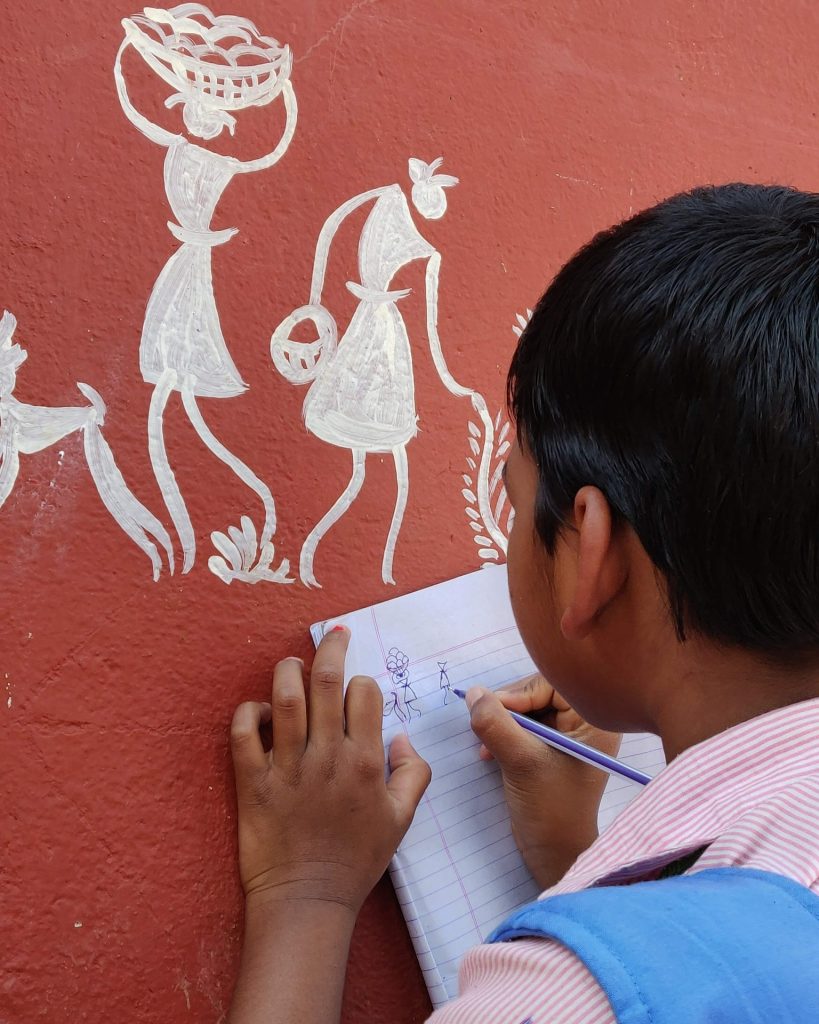
This model of research redefines representation. It ensures that Indigenous communities are not the objects of study, but the authors of their own narratives — shaping knowledge systems that influence both policy and academia.
For many KISS scholars, research is a homecoming — a chance to document and dignify the traditions they grew up with.
“When a tribal scholar studies their own village, it isn’t anthropology — it’s reclamation.”
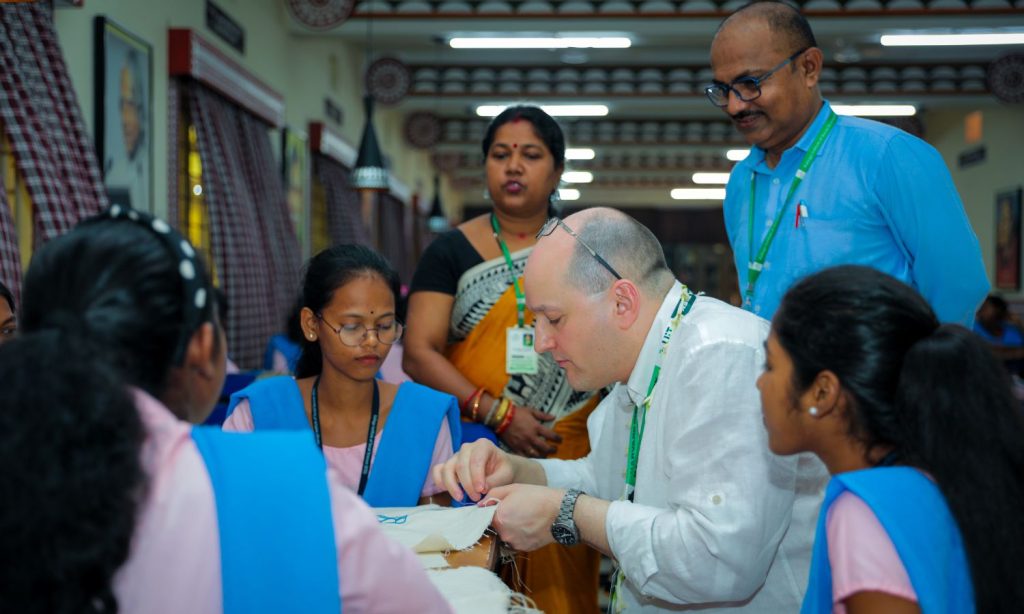
KISS collaborates with global universities, corporations, and development partners who share its belief that Indigenous knowledge can shape the world’s future. Each partnership is a co-created platform where local realities meet global ideas — and every exchange leaves both sides transformed.

CHIRAG
University of East Anglia, UK
TIGR2ESS
University of Cambridge, UK
MTB-MLE Programme
UNESCO Awardee


Through these collaborations, Indigenous voices from Odisha are finding space in global classrooms, policy dialogues, and research communities. KISS shows how respectful partnerships can transform local wisdom into shared global learning.
KISS-DU’s research ecosystem does not end with publication — it feeds back into community empowerment, policymaking, and innovation.

Research translated into awareness campaigns

Informing state and central ministries

Programs in education, health, and livelihood
Research on Indigenous entrepreneurship informs Atmanirbharshil Janjaati Yuva Udyami, KISS’ youth enterprise incubator
Language documentation and AI research feed into Santali Khabar and the Kuvi Digital Keyboard initiative
Sustainable food studies inspire curricular content in Indigenous Knowledge, Science & Technology programmes
KISS has built something rare: an Indigenous university where global scholars come to learn, not just to teach.